Chimney sweep & cleaning in Seattle
A thorough chimney sweep, a Level 1 safety inspection and camera photos of your flue, with a clear written quote before we start. On time, with your living room left the way we found it. From our base in Redmond, we serve Seattle and the Eastside, including Kirkland, Bellevue, Sammamish and Woodinville.
- Camera photos included
- Written quote first
- Dust-controlled
- On-time arrival windows
- Free written quote before any work
- Camera photos of what we find
- Serving the Eastside and Seattle
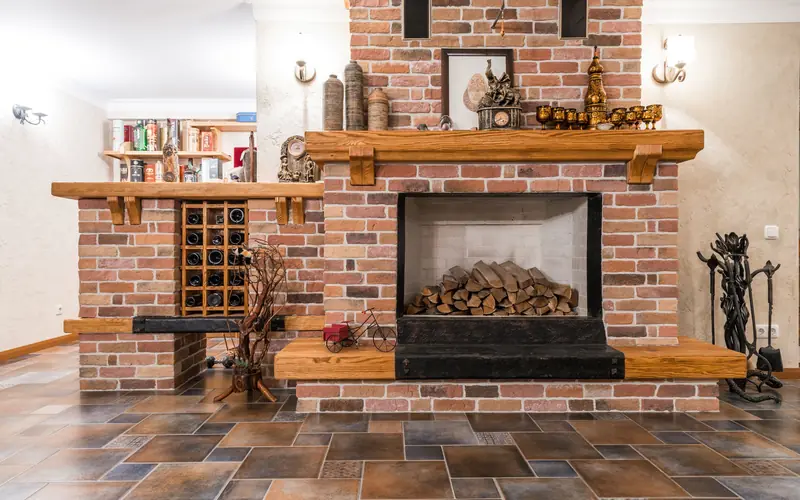
Stock photo (Pexels), for illustration.
How quotes work
Tell us what you need and when. We confirm a real arrival window, inspect, and put the quote in writing so you can decide without pressure.
- We look first, with camera photos of what we find
- You get a clear written quote before any work
- Nothing is added afterward. You approve first
- Real arrival windows, confirmed by text
What's included in our chimney sweep
Some companies quote a low number on the phone and add charges once they're in your house. Our sweep includes the things a proper sweep should include:
- Firebox cleaning. Ash, soot and debris removed from the firebox and grate area.
- Smoke chamber and smoke shelf cleaning. The angled area above the damper where creosote and debris collect and where a lot of quick sweeps never reach.
- Full flue sweep, from damper to cap. Brushes or rotary cleaning sized to your flue, whether it's clay tile, stainless steel or a prefab metal flue.
- Damper check. We make sure it opens, closes and seals.
- Level 1 inspection. A visual check of everything we can readily reach, inside and out.
- Camera photos. We photograph the inside of the flue before and after, and send you the photos so you can see what we saw.
- Dust control. Drop cloths, shoe covers and a HEPA-filtered vacuum running the whole time.
- A written summary. What we cleaned, what condition things are in, and anything that needs attention, ranked by how urgent it really is.
Signs your chimney needs a sweep
You don't have to wait for the calendar. Call for a sweep if you notice any of these:
- A strong smoky or campfire smell in the house, especially on warm or rainy days.
- Smoke drifting into the room when you light a fire.
- Fires that are hard to start or keep going, which often means poor draft from buildup or a blockage.
- Black flakes or crunchy, tar-like bits falling into the firebox.
- A shiny, glazed coating inside the firebox or on the damper. That's hardened creosote and a real fire risk.
- Birds, squirrels or nesting material. Seattle's tree-lined neighborhoods mean uncapped chimneys get visitors, especially starlings.
- It's been more than a year since your last sweep and you burn regularly.
Creosote: why sweeping matters
Every wood fire leaves behind creosote. As smoke rises and cools in the flue, it condenses into a sticky, flammable layer. It builds in three stages:
| Stage | What it looks like | What it takes to remove |
|---|---|---|
| Stage 1 | Dry, flaky soot | A standard sweep |
| Stage 2 | Crunchy, tar-like flakes | A standard sweep, sometimes with rotary tools |
| Stage 3 | Hard, shiny glaze | Specialized rotary tools or a chemical treatment, often over more than one visit |
Stage 3 glaze is the dangerous one. It burns hot, and a chimney fire inside a clay-tile flue can crack the liner without you ever seeing flames. The National Fire Protection Association recommends sweeping once buildup reaches about an eighth of an inch.
Seattle habits make creosote worse than you'd think. Damp firewood is the main culprit: wood stored under a tarp through a Northwest winter can hold far more moisture than seasoned wood should. Burning it produces cool, smoky fires and fast creosote buildup. Slow, smoldering fires with the damper half-closed do the same.
How often should you sweep in Seattle?
For most homes:
- Wood-burning fireplace used regularly in winter: sweep once a year, ideally between August and October.
- Wood stove or insert used as a main heat source: inspect every year and expect to sweep at least once a season; heavy users may need a mid-season sweep.
- A few fires a year: an annual inspection may show you can skip the sweep. We'll tell you honestly if it isn't dirty enough to need one.
- Gas fireplace: no creosote, but it still needs an annual service. See our gas fireplace service.
Our sweep process
- Arrival in your window. You'll get a text when we're on the way. If something runs late, we call; we don't just disappear.
- Set up. Drop cloths from the door to the hearth, HEPA vacuum on, firebox sealed off so soot goes into the vacuum, not your room.
- Look first. A quick camera look up the flue so we can show you the starting point.
- Clean. Firebox, smoke chamber and the full flue, using brushes or rotary tools matched to the flue size and type.
- Inspect. Damper, firebox walls, smoke chamber, flue liner, and from the roof, the crown, cap and flashing.
- Show you. Before and after photos, plus anything we found.
- Clean up and leave a written summary.
A standard single-flue sweep usually takes about an hour to an hour and a half.
We sweep more than open fireplaces
- Wood-burning fireplaces, masonry and prefab.
- Wood stoves and fireplace inserts, including inserts with stainless liners.
- Pellet stoves and their venting.
- Oil furnace flues, still common in older Seattle homes.
- Multiple flues on the same chimney, in one visit.
What if we find a problem?
Most sweeps end with "everything looks good, see you next year." When they don't, you get photos, a plain explanation and a written quote, and you decide. Common findings on Seattle chimneys:
- A cracked crown letting water into the chimney (chimney repair).
- Missing or rusted caps letting in rain and animals.
- Failing flashing where the chimney meets the roof (leak repair).
- Cracked clay flue tiles, sometimes from a past chimney fire or the 2001 Nisqually earthquake; this calls for a Level 2 inspection.
- Crumbling mortar or flaking brick near the top (masonry and tuckpointing).
We never pressure you into same-day repairs. Unless something is an immediate danger, take the quote, think it over and get a second opinion if you want one.
Burn smarter: cut creosote in a wet climate
A few habits make a big difference in how fast your chimney gets dirty, and how safe it is between sweeps:
- Burn dry wood. Firewood should be split and stacked for at least six months to a year, and in Seattle it needs to be stored off the ground and covered on top but open on the sides so air can move through it. A cheap moisture meter helps; you want wood under about 20 percent moisture.
- Burn hot, not slow. Small, hot fires with good airflow make less creosote than big, smoldering ones with the damper or air control nearly closed.
- Open the damper fully before you light the fire and leave it open until the ashes are cold.
- Never burn trash, cardboard, wrapping paper or painted wood. They burn unpredictably and leave deposits behind.
- Watch the smoke from outside. Thick, dark smoke from the chimney top usually means wet wood or too little air.
Burning this way also helps Seattle's winter air quality, which is what burn bans are trying to protect.
Frequently asked questions
How much does a chimney sweep cost in Seattle?
It depends on the number of flues, roof access and how much buildup there is. We give you a clear written quote before any work starts, and every sweep includes a Level 1 inspection and camera photos of your flue. Extra flues, stoves and inserts, or heavy glazed creosote are included in that quote, never added afterward.
How long does a chimney sweep take?
A standard single-flue sweep usually takes about an hour to an hour and a half, including setup, the inspection and cleanup. Multiple flues or heavy creosote take longer.
Will a chimney sweep make a mess in my house?
It shouldn't. We put down drop cloths, wear shoe covers and run a HEPA-filtered vacuum the whole time so soot is pulled out of the firebox instead of drifting into the room.
Do I need to be home during the sweep?
Someone needs to let us in and should be there at the end so we can show you the photos and go over what we found. You don't need to watch the whole visit.
How do I prepare for my chimney sweep?
Don't use the fireplace for at least 24 hours before your appointment so the ashes are cool. Clear a path from the door to the fireplace and move anything fragile off the mantel.
Can chimney sweeping logs replace a professional sweep?
No. Creosote sweeping logs can loosen some deposits, but they don't remove them, and they can't find cracked flue tiles, nests or water damage. Think of them as something to use between sweeps, not instead of one.
When is the best time to book a chimney sweep in Seattle?
August through October, before burn season. By November, most Seattle chimney companies are booked weeks out.
Do you sweep wood stoves and inserts?
Yes. We sweep wood stoves and fireplace inserts, including inserts with stainless steel liners. Some inserts have to be pulled out to clean properly; we'll include that in your written quote before we start.
Book your chimney sweep in Seattle or on the Eastside
Get it done before the first cold snap. Pick a time online or call (425) 440-0488, and we'll text you when we're on the way.
Other chimney and fireplace services
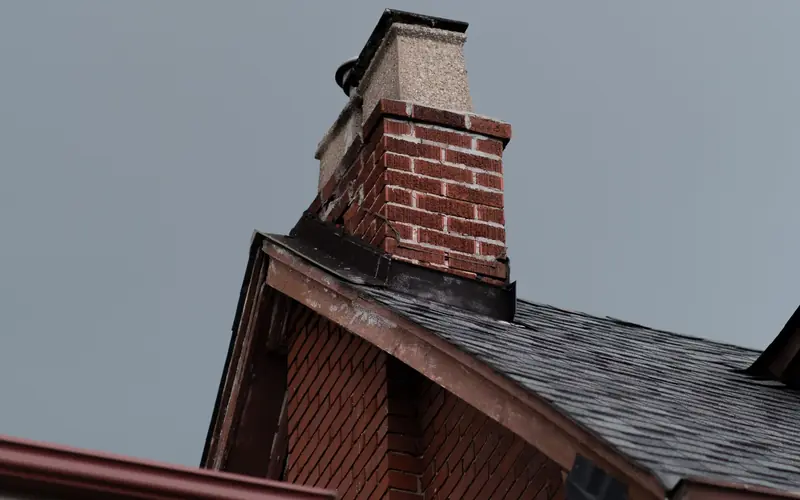
Chimney inspection
Level 1, 2 and 3, including real estate and after an earthquake.
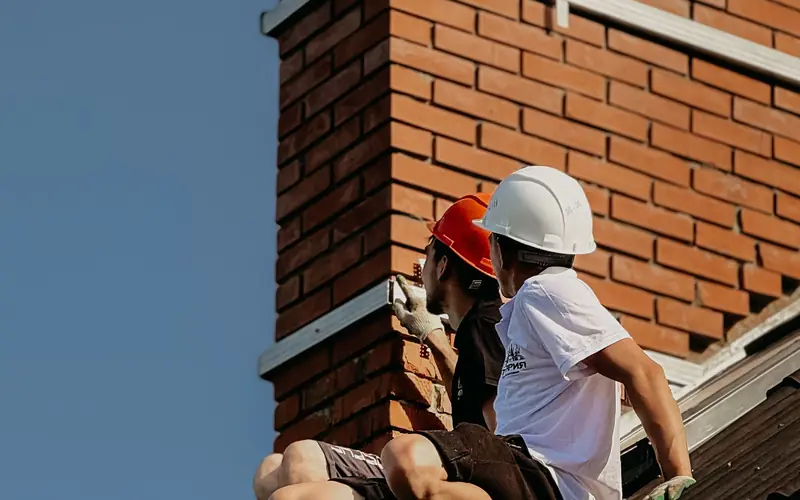
Chimney repair
Crowns, caps, dampers, liners, smoke chambers and fireboxes.
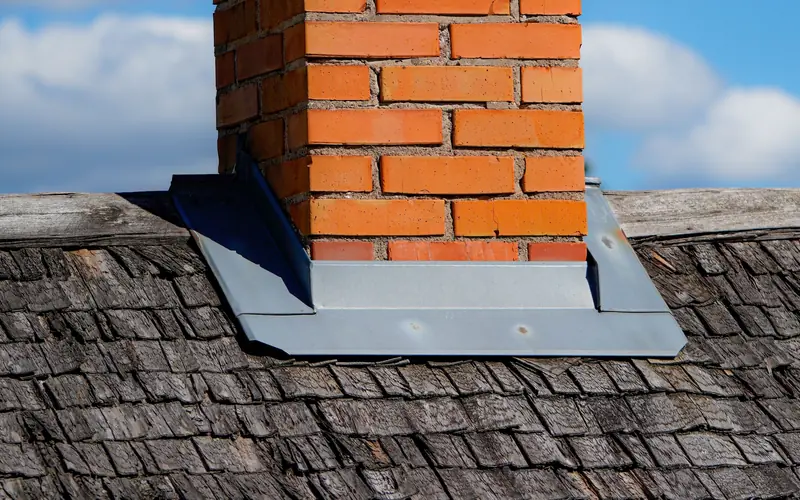
Chimney leak repair
Flashing, crowns and brick: we find the source, then fix it.
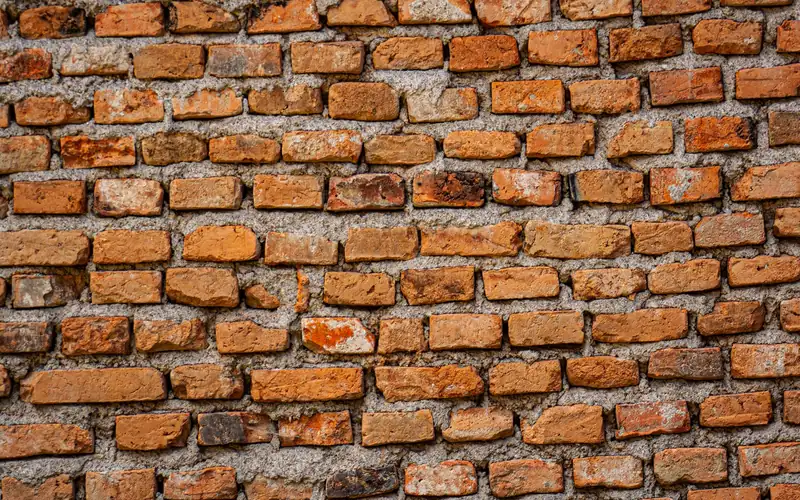
Masonry & tuckpointing
Mortar matched to older brick, spalled brick and partial rebuilds.
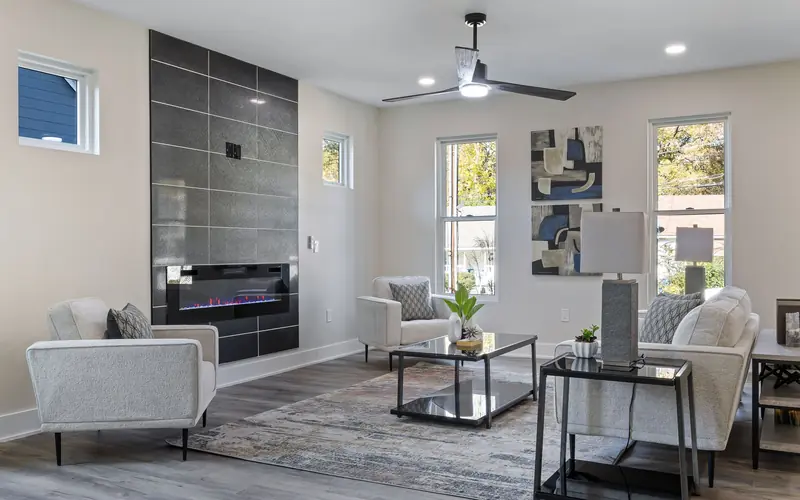
Gas fireplace service
Tune-ups, pilot and ignition repair, glass and venting checks.
Photos are stock images (Pexels) for illustration. They are not photos of our jobs or crew.