Chimney tuckpointing & masonry repair in Seattle
Crumbling mortar and flaking brick, repaired the right way for Seattle's older chimneys. We match mortar to your brick, replace damaged bricks so the repair blends in, and rebuild when repair no longer makes sense. Photos and a written quote first, every time. From our base in Redmond, we serve Seattle and the Eastside, including Kirkland, Bellevue, Sammamish and Woodinville.
- Written quotes before work
- Mortar matched to older brick
- On-time arrival windows
- Free written quote before any work
- Camera photos of what we find
- Serving the Eastside and Seattle
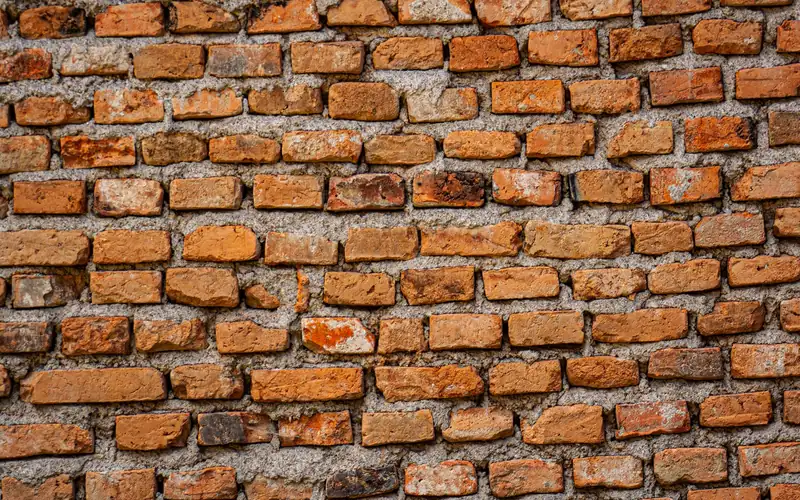
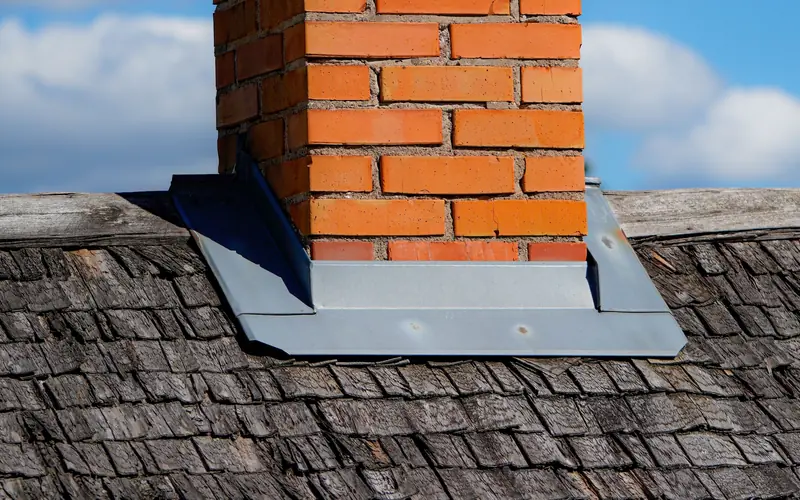
Stock photo (Pexels), for illustration.
How quotes work
Tell us what you need and when. We confirm a real arrival window, inspect, and put the quote in writing so you can decide without pressure.
- We look first, with camera photos of what we find
- You get a clear written quote before any work
- Nothing is added afterward. You approve first
- Real arrival windows, confirmed by text
What tuckpointing is, and why chimneys need it
Mortar is designed to be the weak link. It's softer than brick, so it wears and cracks first, and it's much cheaper to replace than brick. Tuckpointing (also called repointing) means grinding out the failing mortar to a proper depth and packing the joints with fresh mortar matched in strength, color and profile.
Done on time, it's the single best way to extend the life of a brick chimney. Skip it, and water gets behind the face of the brick, freezes, and starts breaking the brick itself.
Signs your chimney needs masonry work
- Mortar you can scratch out with a key or a screwdriver. Healthy mortar is hard.
- Recessed joints, where the mortar sits well back from the face of the brick.
- Spalling: brick faces flaking, popping off or crumbling, usually near the top of the chimney.
- White, chalky staining (efflorescence). That's salt left behind by water moving through the masonry.
- Moss and plant growth on the chimney, which holds moisture against the brick. Common on shaded Seattle roofs.
- Loose or missing bricks, or bits of brick and mortar on the roof or in the gutters.
- Cracks running through the brick, or a chimney that looks like it's leaning.
Why Seattle brick chimneys wear out
Long wet seasons. Seattle's rain comes in long, steady stretches from October through April. Brick and mortar stay damp for months, and every crack lets in more.
Freeze-thaw on saturated brick. We don't get many hard freezes, but a few each winter on brick that's been wet for weeks is enough. Water in the brick expands as it freezes and pushes the surface apart.
Old brick and the wrong mortar. Nearly a quarter of Seattle's homes were built before 1940. Their chimneys were laid with soft, lime-rich mortar that worked with the soft brick of the time. Many have since been patched with hard, modern Portland cement mortar. Hard mortar doesn't flex or breathe, so stress and moisture move into the brick instead, and the brick fails around the patch. It's one of the most common mistakes we see.
Earthquakes. Unreinforced brick chimneys are vulnerable in quakes. After the 2001 Nisqually earthquake, a University of Washington and USGS survey of about 60,000 Seattle-area chimneys found 1,556 damaged, with heavy clustering in West Seattle. Loose mortar makes a chimney more likely to crack or drop bricks in the next one.
Masonry services
Tuckpointing and repointing
We grind out failing joints to a consistent depth, clean them, and repack them with mortar matched to your chimney. For older soft brick, that means a softer, lime-based mix rather than hard modern mortar. We match color and joint profile so the repair doesn't stand out.
Spalled brick replacement
Bricks with blown-out faces are cut out and replaced with matching brick, salvaged or new, then pointed in. We fix the water problem that caused the spalling too, usually a crown, cap or flashing issue, so the new brick doesn't fail the same way.
Crown rebuilds
A failing crown is behind most masonry damage near the top of a chimney. We rebuild crowns with a proper slope and an overhang that throws water clear of the brick. See chimney repair.
Partial and full chimney rebuilds
When the top of a chimney is badly spalled, loose or leaning, we take it down to sound brick and rebuild it. For older unreinforced chimneys, we'll explain the seismic options, from rebuilding with reinforcement to replacing the top section with a lighter framed chase and metal flue.
Breathable water repellent
After repairs are complete and cured, we can apply a breathable, vapor-permeable water repellent made for masonry. It cuts down how much rain the brick absorbs while still letting moisture out. We never paint or seal brick with non-breathable coatings; they trap water and speed up spalling.
Firebox and interior masonry
Inside the house, we repair cracked firebrick and eroded joints with refractory mortar, and parge rough smoke chambers smooth.
How we tuckpoint a chimney, step by step
- Inspect and test the mortar. We check how deep the damage goes and what the existing mortar and brick are like, so the repair mortar suits them.
- Protect the roof and house. Tarps on the roof, gutters and landscaping below.
- Grind out failing joints to a consistent depth, usually about two and a half times the joint width, without chipping the brick edges.
- Clean the joints of dust and loose material, and dampen them so the brick doesn't pull water out of the new mortar too fast.
- Pack the joints in layers, pressing each layer firm before adding the next.
- Tool the joints to match the existing profile, so the repair blends in.
- Cure properly. Mortar needs time and the right moisture to reach full strength, which is why we plan masonry work around Seattle's weather.
- Clean up and photograph the finished work.
Moss on chimneys
Moss loves Seattle roofs and chimneys, especially on north-facing and shaded sides under big trees. It looks harmless, but it holds water against brick and mortar for months and its roots work into joints. We remove moss carefully without power-washing at high pressure, which can blast out soft mortar and erode old brick. After repairs, a breathable water repellent and trimming back overhanging branches help keep it from coming back.
Repair, rebuild or remove?
Not every chimney is worth rebuilding. We'll give you honest options:
| Situation | Usually the best option |
|---|---|
| Some soft or recessed mortar, brick in good shape | Tuckpointing |
| A few spalled bricks near the top | Brick replacement, plus fix the water source |
| Badly spalled, loose or leaning top section | Rebuild above the roofline |
| Chimney you no longer use, in poor shape | Ask about removing it above the roofline and capping it |
Frequently asked questions
How much does tuckpointing a chimney cost in Seattle?
It depends on the chimney's size and height, how much mortar needs replacing, and roof access. We inspect first and give you a clear written quote before any work starts.
What's the difference between tuckpointing and repointing?
People use the terms interchangeably for replacing worn mortar. Strictly speaking, tuckpointing is a decorative technique that uses two mortar colors to make joints look finer, while repointing is the general repair. Either way, the failing mortar is removed and replaced.
How do I know if my chimney needs tuckpointing?
Scratch a mortar joint with a key. If it crumbles easily, if the mortar sits well back from the brick face, or if you see gaps, it's time. White staining and flaking brick are signs water is already getting in.
How long does tuckpointing last?
Good repointing with the right mortar typically lasts decades, especially when the crown, cap and flashing are keeping water off the chimney.
Why does the mortar type matter on an old Seattle chimney?
Older chimneys were built with soft brick and lime-based mortar. Repointing them with hard modern cement mortar makes the joints stronger than the brick, so the brick cracks and spalls instead. The repair mortar should be softer than the brick.
Is it safe to use a chimney with loose bricks?
Not until it's checked. Loose brick and mortar at the top can let heat and smoke escape, and loose bricks can fall, especially in an earthquake. Have it inspected before your next fire.
Can you tuckpoint in Seattle's rainy season?
Yes, with planning. Mortar shouldn't be laid in heavy rain or near freezing temperatures, so we schedule masonry for dry stretches and cover fresh work to protect it while it cures. Late spring through early fall is the easiest window, and the best time to fix damage before the next wet season.
Should I remove a chimney I don't use?
Sometimes it's the most sensible option, especially for a damaged, unreinforced chimney on a house that heats with something else. Removing it above the roofline and roofing over it eliminates the maintenance and much of the earthquake risk. We'll quote repair and removal side by side so you can compare.
Get a masonry quote in Seattle or on the Eastside
Send us photos or book an inspection, and we'll tell you whether your chimney needs pointing, brick replacement or a rebuild, and give you a written quote.
Other chimney and fireplace services
Chimney sweep & cleaning
Full sweep, Level 1 inspection and camera photos of your flue.
Chimney inspection
Level 1, 2 and 3, including real estate and after an earthquake.
Chimney repair
Crowns, caps, dampers, liners, smoke chambers and fireboxes.
Chimney leak repair
Flashing, crowns and brick: we find the source, then fix it.
Gas fireplace service
Tune-ups, pilot and ignition repair, glass and venting checks.
Photos are stock images (Pexels) for illustration. They are not photos of our jobs or crew.